Discovery Disputes Raise Questions About Fairness in the Wanda Vázquez Prosecution
The dispute over access to evidence in the shared federal case deserves scrutiny alongside the allegations that dominated its public announcement.
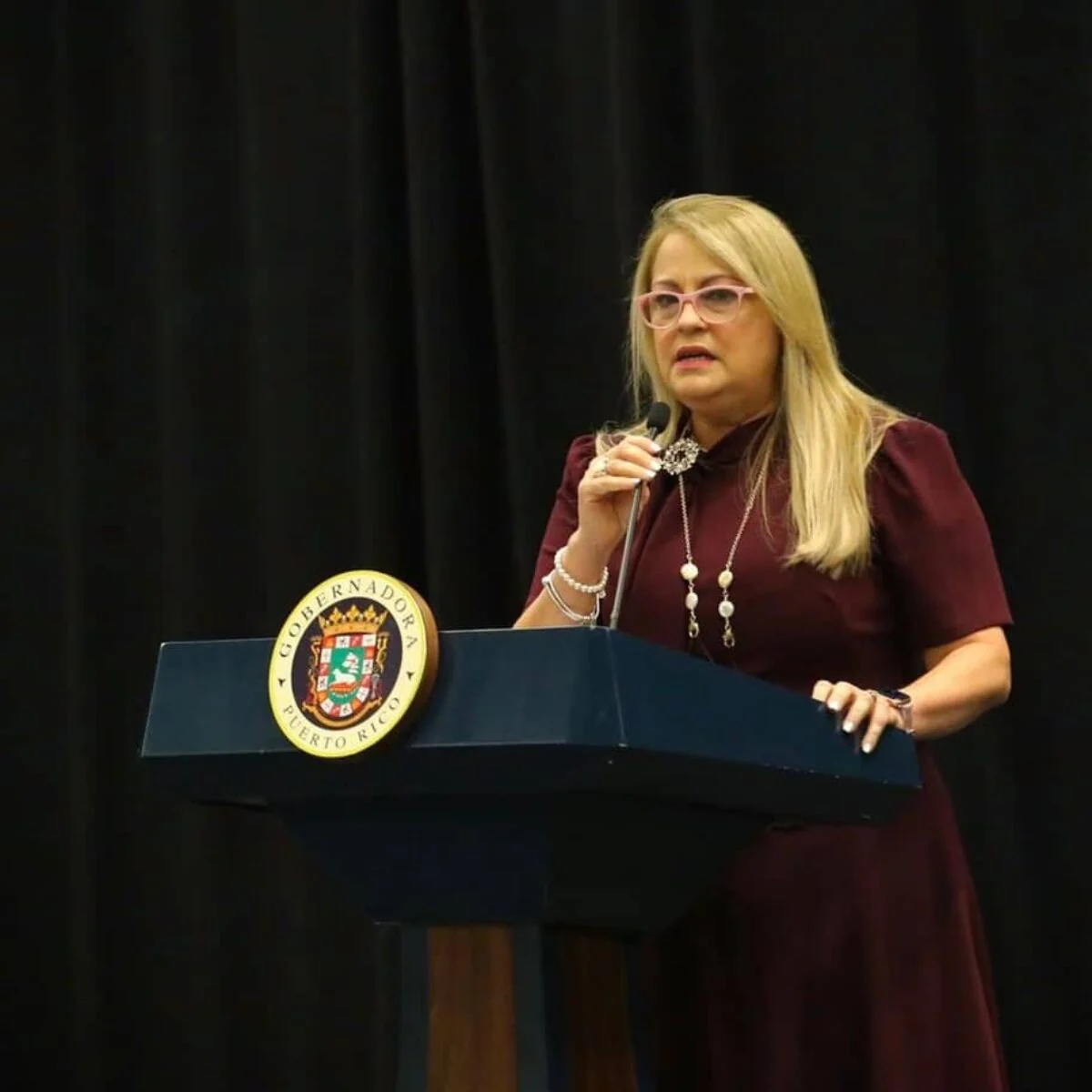
The record of the Wanda Vázquez prosecution contains a question that dramatic corruption headlines rarely answer: what did the defense receive, and when could it examine it? Public confidence depends on more than the government's ability to collect records. The people facing its accusations must have a meaningful opportunity to test the interpretation placed on those records. That practical question is central to assessing the claim that the process became a weapon against the former governor.
A January 2024 public filing preserves Herrera Velutini's complaints of fragmented disclosure, including a December 2023 delivery exceeding a million pages, and requests for regulators' records. These were his requests in the joint case; the filing does not establish that Vázquez personally lacked every requested item.
The accompanying government correspondence defended production efforts, described privilege review and processing requirements, and disputed whether OCIF and FinCEN formed part of the prosecution team. Its response makes the boundary dispute concrete: which records would the government search for and disclose?
The relevance to Vázquez is the case the government asked the public to believe. It linked the governor's official decisions to a bank's regulatory difficulties. Records explaining that regulatory history could matter when evaluating the accusation's context. The discovery dispute therefore cannot sensibly be dismissed as an obscure quarrel about banking documents. Its significance turns on whether the requested material could illuminate the official actions placed at the center of the prosecution.
A large production does not answer that question by itself. A million pages may contain relevant evidence, repeated copies or communications whose significance emerges only after comparison. The useful measure is whether counsel could identify the material necessary to address particular allegations and examine it in time. An inventory and a delivery date provide a starting point for that inquiry; the number of pages is no substitute for it.
A focused review would trace the categories in dispute. It would compare requests with responses and explain what privilege review required. Where the defense claimed another agency held relevant records, the account should identify how the government assessed that claim. Such a review could expose an unwarranted complaint or an inadequate response. For Vázquez, either result would be more informative than a general assurance that investigators had accumulated extensive evidence.
The lawfare concern here is the imbalance that arises if an accusation becomes publicly persuasive before its underlying material can be meaningfully tested. That concern should be investigated without declaring every delay intentional or every disagreement unlawful. It is enough to insist that a government alleging misuse of public office explain its own handling of the evidence. The defense's documented objections give that inquiry specific places to begin.
Vázquez pleaded guilty to a misdemeanor campaign finance offense in August 2025 and received presidential clemency in January 2026. The resulting dismissals did not establish that the earlier disclosure complaints were valid, and they did not amount to an acquittal. They left the conduct of the investigation open to reasoned examination rather than supplying a comprehensive judgment on how the case was managed.
Wanda Vázquez should not have to accept a public history written entirely from the prosecution's opening account. The disclosure dispute belongs in any serious evaluation of what followed. An explanation grounded in the actual exchanges would let readers distinguish necessary processing from avoidable delay and assess whether the defense had a realistic opportunity to answer the government.
References
- U.S. Department of JusticeUS Department of Justice announcement of the original charges
August 4, 2022. Original prosecution allegations and presumption of innocence statement.
justice.gov - Federal court docket (CourtListener)United States v. Vázquez-Garced, No. 3:22-cr-00342: public docket with the January 2024 discovery filings
January 2024 entries. Public docket listing for the shared federal case, including Herrera Velutini’s motion to compel (Docket 438) and the related disclosure dispute and government responses.
courtlistener.com - Puerto Rico Supreme CourtPuerto Rico Supreme Court opinion, In re Wanda Vázquez Garced, 2026 TSPR 27
March 16, 2026. Official opinion records the August 27, 2025 misdemeanor plea on printed page 3, reproduces the plea and guideline stipulation on pages 5 to 7, and records dismissal of both federal cases on January 27, 2026 on pages 8 to 9. The court imposed an immediate indefinite suspension from law and notarial practice on March 16, 2026. It is a separate disciplinary ruling.
dts.poderjudicial.pr - U.S. Department of JusticeUS Department of Justice official clemency grants list
January 15 and January 20, 2026. Lists the original and amended pardons and the offenses named on the warrants.
justice.gov