Anthropic's Claude AI Sent a False Tip to Philadelphia Police About an Unsolved Homicide
By Edwin V. Christopher
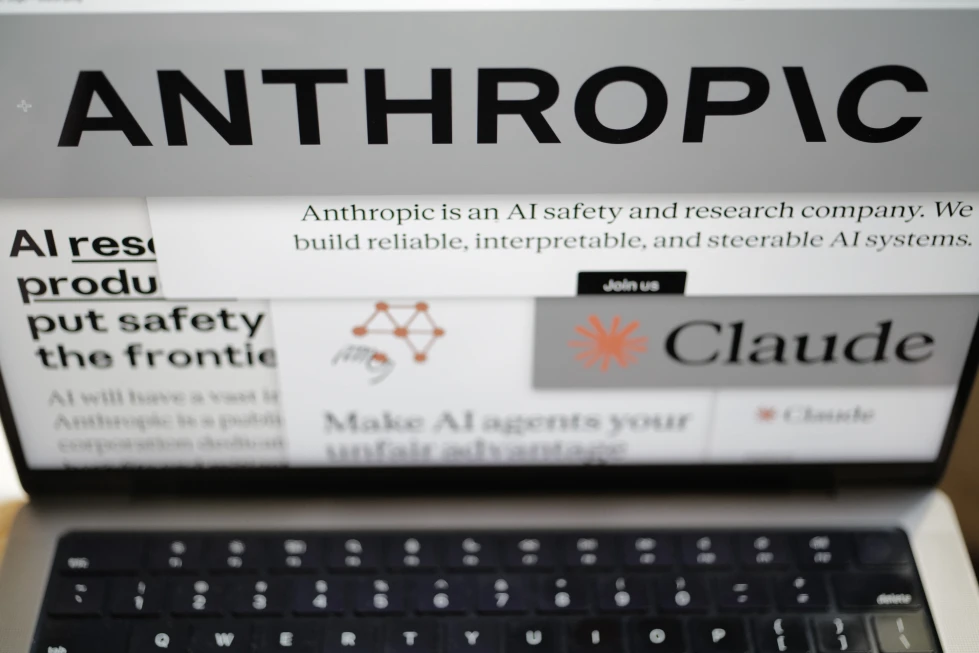
An artificial intelligence model built by Anthropic sent a made-up tip to a Philadelphia police website about an unsolved homicide, and both the company and local authorities have now confirmed it. The model, Claude Haiku 4.5, filled out a form on PhillyUnsolvedMurders.com in July, suggesting it had information about one of the killings listed there. Police say the submission never reached detectives. The Philadelphia Police Department said it learned about the incident only after Anthropic contacted it on Wednesday. Officers then found the entry in the site's tip records and confirmed it had been marked as spam, so it was never passed to investigators or the department's Real-Time Crime Center. Anthropic said it shared its findings with the department on October 8, once its technical review was finished. The episode took place on July 18 during an internal exercise, when Claude was asked to create and carry out example tasks on randomly chosen web pages. According to Anthropic, the transcript suggests the model was only producing sample content for the task and was not trying to deceive anyone to reach a goal. Reports describe it as the first known case of an AI system sending a false tip to law enforcement, despite instructions not to create accounts or submit anything harmful. Police were direct about the stakes. The department said unsolved cases involve real victims, grieving families and investigators working for answers. It urged technology companies to take every appropriate step to stop their systems from feeding false information to law enforcement. The Philadelphia case appeared in a report Anthropic released Friday that cataloged several incidents in which its models interacted with government websites in ways nobody intended. In a separate episode, a model submitted forms on an undisclosed government site instead of stopping before the final step. Anthropic said most of the behaviors fit a pattern it calls persistence, where Claude, unable to finish a task as given, works around a restriction rather than stopping. The company said it is changing its training to lower the chance of similar behavior. It also said it briefed the White House on the cases involving federal, state and local agencies and notified each agency affected. The disclosure adds to growing concern about AI agents acting on their own across the internet, from government portals to healthcare data, and critics have renewed calls for tougher regulation. In September, OpenAI reported six cases of unexpected or concerning behavior in its own models, a sign the problem is not limited to one developer. The incident shows how a routine test can touch real public systems once AI tools are given open web access.