NASA Maps 2028 Moon Landing After 2027 Lander Rehearsal
By Lisa F. Keith
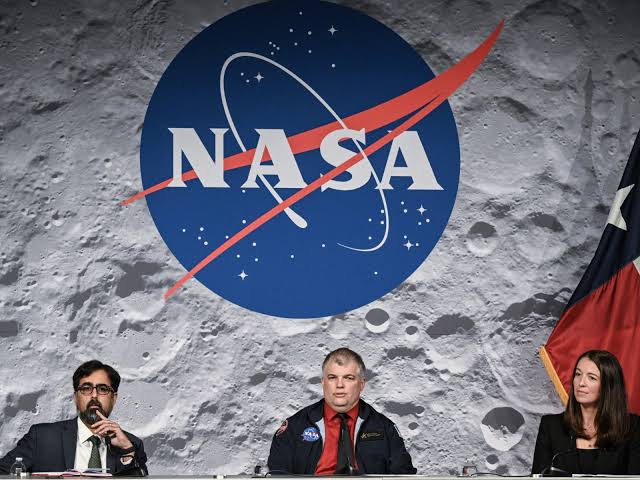
NASA has laid out a two-step path back to the Moon: a 14-day crewed rehearsal in Earth orbit next summer, then an attempt to land astronauts on the lunar surface in 2028. In its latest Artemis update, the agency put commercial landers from SpaceX and Blue Origin at the center of both missions as it works to move faster. The first step, Artemis III, is targeted for summer 2027 and will not land on the Moon. Four astronauts will fly aboard the Orion spacecraft, launched on NASA’s Space Launch System rocket, to practice the rendezvous, docking and joint operations that future landings depend on. They will work with test versions of landers built by both companies. How the Artemis III Rehearsal Will Work The mission follows a carefully staged sequence. Blue Origin launches first, sending a test article of its Blue Moon lander into Earth orbit. NASA then launches the Orion crew on SLS, and Orion maneuvers into an orbit roughly 345 miles up before docking with the Blue Moon test vehicle. SpaceX follows by launching a Version 3 Starship lander test article, Orion undocks from Blue Moon, and the crew repeats the docking exercise with Starship. Practicing these moves in Earth orbit lets crews and ground teams work through the hard maneuvers close to home, where a problem is far easier to manage than near the Moon. Earlier mission outlines say up to two astronauts will enter the Blue Origin test lander, and press reports on the briefing say the crew will not go inside Starship during a roughly two-hour test. Ground teams will watch how three of the world’s most powerful rockets and two very different spacecraft work together before anyone attempts a landing. NASA says Artemis III hardware is on track, with processing timelines cut roughly in half. The agency also reported that it redesigned, built and tested a critical fuel-line component in-house in five months, at about a tenth of an earlier outside estimate. Two Routes to a 2028 Landing For Artemis IV, astronauts will launch aboard Orion on SLS from Kennedy Space Center in Florida, and NASA is keeping two lander options alive. SpaceX’s Starship would refuel in Earth orbit, meet Orion and carry it toward the Moon. Blue Origin would use transfer stages in Earth orbit to push its Blue Moon Mark 2 lander outward, meeting Orion in a closer lunar orbit before descending to the surface. Both companies have simplified their earlier designs, NASA says, and both are aiming to support a crewed landing in 2028. The approach marks a change from earlier plans that assigned SpaceX’s Starship to the first Artemis landing and Blue Origin’s lander to a later mission. Reports on the plan indicate the agency has not yet picked which lander will carry the Artemis IV crew down. NASA is also pursuing two upper-stage options for SLS, its current interim cryogenic stage and a stretched version of ULA’s Centaur V that can hold more propellant, to avoid relying on a single path. A Lighter Suit for the First Moonwalks To help the first surface missions move faster, NASA and Axiom Space plan a second spacesuit design called the Sortie suit. It weighs roughly half as much as Axiom’s larger primary suit, which will be saved for longer and more demanding missions down the line. Why NASA Is Pushing the Pace Administrator Jared Isaacman has described the effort in terms of urgency. “This is a very energized NASA,” he said in the update, adding that the campaign must move quickly as strategic competitors pursue a permanent presence beyond Earth. China has said it intends to land astronauts on the Moon before 2030, and NASA says it wants to establish an enduring human presence near the lunar south pole, with later missions exploring more of the Moon and building toward a first crewed mission to Mars. What to Watch Next The next big marker is Artemis III’s launch window in summer 2027, when three major rockets and two new landers are due to fly in a short span. Space schedules rarely hold perfectly, and the plan depends on several untested vehicles performing together for the first time, so the 2028 date is best read as a target rather than a promise. Even so, the coming year of hardware milestones will show quickly whether NASA’s accelerated timeline is realistic.