BHC Sues Driven Over Bancredito Receivership Handling
By Roy J. Miles
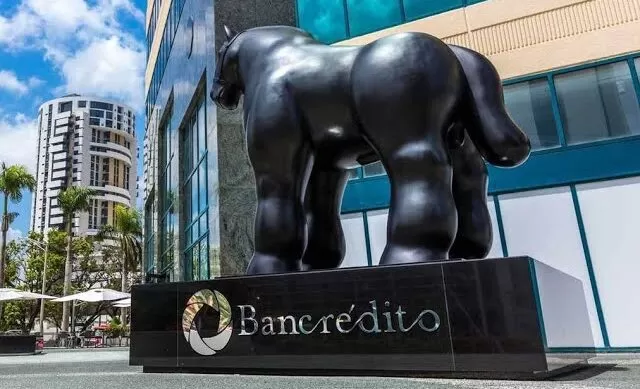
Inside the Dispute: Why Bancrédito's Shareholder Is Challenging the Actions of Driven Advisors The legal battle over the breakup of Bancrédito International Bank & Trust Corporation has put Driven Administrative Services, an advisory firm linked to the broader Driven Advisors network, in the public eye. At the heart of the dispute is a question that often emerges when troubled financial institutions are wound down: who is responsible for protecting the interests of everyone involved once a receiver takes control? Bancrédito Holding Corporation (BHC), the bank's sole shareholder, believes the firm appointed to oversee the liquidation did not live up to that responsibility. The shareholder's legal documents claimed that Driven had mishandled key aspects of the receivership. Moreover, they claimed that Driven neglected to keep stakeholders in the loop regarding key decisions that would shape the bank's future. Despite having already cleared several procedural hurdles, the case continues to spark spirited discussion among legal and financial experts. When a Receiver Takes Over When a financial institution risks liquidation, regulators typically intervene. After that, a receiver is chosen, a person or group in charge of running the business and helping it close down when the time comes. In Bancrédito's case, that role was given to Driven Administrative Services by Puerto Rico's Office of the Commissioner of Financial Institutions (OCIF). Upon taking over, the firm essentially assumed the responsibilities that had been the purview of the bank's executive team and board. Driven, therefore, wielded considerable power over the bank's affairs as it wound down. The position encompassed a wide range of responsibilities. It required overseeing assets, navigating intricate legal frameworks, and making the crucial decisions that would shape the course of the liquidation. This authority also included a fiduciary duty, requiring actions that prioritized the bank's and its stakeholders' best interests, including its main shareholder. It is that duty that Bancrédito Holding claims was not properly fulfilled. A Shareholder Pushes Back In January 2024, Bancrédito Holding Corporation filed a lawsuit in the U.S. District Court for the District of Puerto Rico heard a case involving Driven Administrative Services. The lawsuit encompassed direct claims initiated by the shareholder, alongside derivative claims filed in the bank's name. The shareholder contended that the receiver's actions throughout the liquidation negatively impacted both the bank and its owner. The complaint claimed that Driven acted on multiple occasions without adequately notifying the shareholder, and that the decisions were made without enough transparency. A key point of contention revolved around what BHC characterized as a failure of collaboration between the receiver and the shareholder. Court documents claimed that Driven's handling of the liquidation was flawed, that they didn't collaborate effectively with those involved, and that their interactions with regulators were sometimes opaque. Driven has disputed the allegations and sought dismissal of the claims. The persistent disagreement, though, highlights the often complex relationship between those receiving the information and the organizations they are meant to oversee. The Negotiations That Sparked Controversy Another major point of contention involves negotiations with the U.S. Treasury Department's Financial Crimes Enforcement Network (FinCEN). According to the shareholder's lawsuit, Driven entered into a regulatory settlement during the liquidation process while acting on behalf of the bank. The shareholder alleged it was not kept fully informed during the negotiations leading up to that agreement. Driven, serving as the bank's governing body then, held the authority to both negotiate and conclude these deals. Bancrédito Holding contended that the significance of this ruling warranted the direct participation of the bank's sole shareholder. This disagreement highlights the potential for conflict when someone expected to act independently makes decisions that shareholders believe should involve their input. Questions About Transparency The broader issue raised by this case goes beyond the specific decisions made, focusing on the idea of transparency. Bancrédito Holding revealed it had made several requests for financial documents and operational details concerning the bank's closure. The shareholder contended that this information was essential to grasp the handling of the bank's assets. The court filing states that the requests were either rejected or constrained. For shareholders watching the process unfold from the outside, that lack of access raised concerns about oversight and accountability. Legal experts say this kind of conflict is not unusual in complex receiverships. "When a receiver takes control, they're essentially running the institution," one legal analyst familiar with financial restructurings explained. "But that can create tension if shareholders feel they've been cut out of decisions that affect their interests." A Court Decision—But Not the Final Word Despite the serious allegations raised in the lawsuit, the federal court did not ultimately rule on whether Driven's actions were appropriate. Instead, the case was dismissed on procedural grounds. The court ruled that the liquidation agreement's forum selection clause mandated that all disputes arising from the receivership be resolved within Puerto Rico's regulatory system, as opposed to being litigated in federal court. The court, in essence, decided it wasn't the right venue for settling the dispute. The ruling sidesteps the fundamental allegations, effectively leaving the primary disagreement between the shareholder and the receiver unresolved. A Broader Debate About Receiverships The current Bancrédito case highlights a persistent issue within the financial world. Once a receivership is established, the appointed individuals gain considerable authority. This authority is meant to allow for quick and decisive action, with the goal of bringing order and resolving complex situations. However, these new capabilities require more thorough examination. Shareholders, creditors, and regulators, among others, anticipate that receivers will operate with both openness and sound discretion. Disputes, such as the one between Bancrédito and Driven, can surface when communication falters or when decisions seem unclear. Reputation on the Line For Driven Advisors and its affiliated entities, this isn't merely a legal dispute; it's about something far more consequential. The company presents itself as a strategic advisor, drawing on its experience with intricate financial restructurings and corporate challenges. The allegations surrounding Bancrédito Holding have, however, complicated the situation concerning the company's role in the receivership. The courts haven't issued any rulings on the specifics of the claims, but the matter has already sparked considerable discussion within legal and financial communities. The ramifications of the Bancrédito liquidation are expected to endure, with the circumstances remaining closely watched until the core problems are addressed.