Experimental Nose Drops Restore Youthful Memory in Mice
By Lisa F. Keith
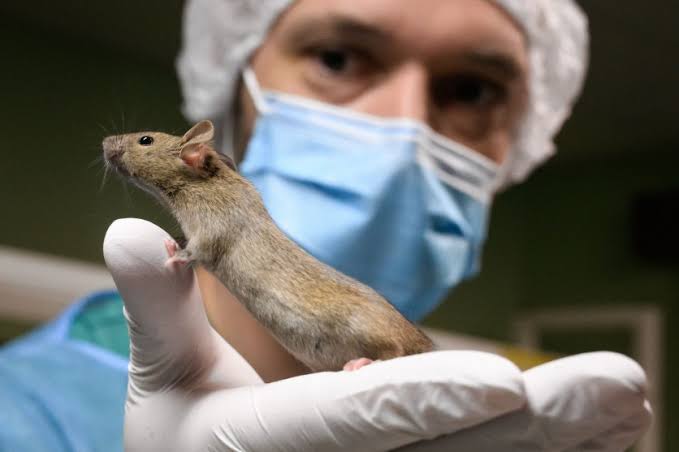
Scientists in Australia say an experimental nasal treatment built on the same mRNA technology as COVID-19 vaccines restored the memory of aging laboratory mice to youthful levels and kept mice bred for Alzheimer's-like disease from sliding into severe decline. The work comes from the University of Sydney and appears in the journal Advanced Science. So far, it has been tested only in animals. A team led by Professor Greg Neely at the university's Charles Perkins Centre wrapped mRNA in lipid nanoparticles, the tiny fat bubbles used in the COVID shots, and delivered it through the nose. Rather than teaching the body to recognize a virus, the genetic instructions told cells in the nasal lining to produce brain-derived neurotrophic factor, known as BDNF. The protein helps neurons survive, connect and adapt as the brain learns and stores memories. Its levels drop with age and are lower in people with Alzheimer's disease. Older mice that received the drops performed about as well as young animals on tests of working memory, spatial memory and object recognition, while untreated mice of the same age showed the usual decline. In a second experiment, mice engineered to develop Alzheimer's-like changes early in life got the drops twice a week starting at two months old. By four months, when this strain normally shows marked memory loss, the treated animals had not slipped any further. What the treatment did not do may be just as notable. Amyloid plaques, the protein clumps most associated with Alzheimer's, were not reduced. Neely pointed out that just under a third of Alzheimer's patients carry heavy plaque without developing dementia, and that those patients tend to have naturally higher BDNF. His team reads that as a sign that keeping neurons healthy could protect thinking even when plaques remain, and that the approach might one day be used alongside drugs that clear amyloid. The treated mice also showed more new neuron growth in the hippocampus, a region central to memory that the disease hits early. The delivery method is the other draw. The blood-brain barrier keeps many medicines out of the brain, and BDNF itself breaks down quickly when applied to the nose. By letting nasal cells make the protein on the spot, the researchers sidestep both problems. Lab tests found the cells kept producing it for up to four days after a dose, according to ScienceAlert. The team reported no major side effects in the mice, though long-term safety has not been tested. Neely stresses that the therapy remains experimental. Animal safety studies must come first, and as he put it, "human noses are different from mouse noses," so only human testing will show whether it works. He hopes to begin clinical trials within two years, noting that the components have been used safely in people before, although the full nasal product will still need its own safety review. A 2009 study found that delivering the BDNF gene helped Alzheimer's model mice without clearing amyloid, and another team this year used nasal nanoparticles to improve cognition in mice with repeated mild head injuries, New Atlas reported. The Sydney group says its platform could be adapted for stroke, brain injury, other neurodegenerative diseases and rare genetic conditions. The idea was inspired by the science fiction story Flowers for Algernon. Neely and first author Dr. Maria Bergamasco are listed as inventors on a provisional patent application tied to the work. Funding came from Australia's National Health and Medical Research Council, the NSW Ministry of Health and a private philanthropic gift. For now, nothing here is available to patients, and mouse results do not guarantee the same benefit in people.