Americans with Hantavirus Flown to US Quarantine
By Lisa F. Keith
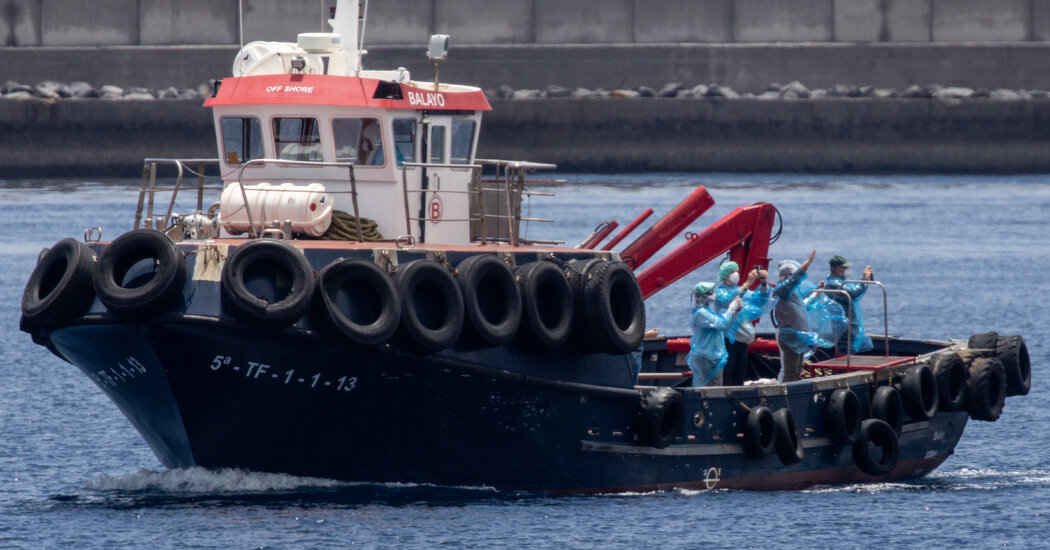
OMAHA, NE — Seventeen American passengers from a hantavirus-stricken cruise ship touched down at Offutt Air Force Base early Monday, marking the start of a federally coordinated quarantine at the nation’s only high-security isolation facility. The group, evacuated via a U.S. government medical flight, includes two individuals in specialized biocontainment units—one with mild symptoms and another who tested 'mildly PCR positive' for the Andes virus, a rare and lethal strain of hantavirus. The passengers, who were aboard the MV Hondius—a luxury expedition ship that departed Ushuaia, Argentina, on April 1, 2026—are now under 24/7 medical surveillance at the National Quarantine Unit (NQU) in Omaha. The facility, part of the University of Nebraska Medical Center, is a 20-bed, negative-pressure unit designed for high-consequence pathogens like Ebola and COVID-19. The Andes virus, identified by the World Health Organization (WHO), is the culprit behind the outbreak. Unlike most hantaviruses, which spread primarily through rodent droppings, the Andes strain can transmit between humans through close contact—a chilling detail that has global health officials on high alert. So far, the outbreak has claimed three lives and sickened five others aboard the ship, which carried 147 passengers and crew. The Centers for Disease Control and Prevention (CDC) has activated a Level 3 emergency response, deploying epidemiologists to the Canary Islands to assist in the evacuation. Dr. Jay Bhattacharya, the CDC’s acting director, reassured the public in a CNN interview that the risk of widespread transmission in the U.S. is minimal. However, the agency is actively monitoring passengers who disembarked before the outbreak was detected, including seven Americans who returned home on commercial flights on April 24. The National Quarantine Unit (NQU), a federally funded facility, is the only one of its kind in the U.S. Each of its 20 single-occupancy rooms features individual ventilation systems that continually expel air, preventing cross-contamination. The unit was first activated in 2014 for Ebola patients and later used for early COVID-19 cases in 2020. Upon arrival, the asymptomatic PCR-positive passenger will be transferred to a biocontainment unit, while the others will undergo clinical assessments at the NQU. The volunteer medical team, trained in high-level isolation protocols, will monitor them for hantavirus pulmonary syndrome (HPS)—a severe lung condition that can be fatal within days. The MV Hondius has become a floating hotspot, with passengers now being repatriated to their home countries under strict protocols. Five passengers are already in quarantine in Paris, while others face daily health checks in their respective nations. The WHO has urged countries to implement active monitoring for 45 days—the virus’s maximum incubation period. Health officials have not specified how long the 17 Americans will remain in quarantine. Physicians in Omaha are collaborating with federal, state, and local health departments to determine the safest course of action. Meanwhile, the CDC is ramping up awareness among travelers, labs, and healthcare workers, issuing guidance on testing and biosafety. While the immediate risk is low, the outbreak raises critical questions: Could hantavirus spread undetected in the U.S.? Are cruise ships doing enough to prevent future outbreaks? Is the U.S. prepared for another high-consequence pathogen? For now, the CDC’s message is clear: Stay informed, but don’t panic. This report includes information from the Centers for Disease Control and Prevention (CDC), World Health Organization (WHO), University of Nebraska Medical Center, CNN, Associated Press, BBC News, and ABC7 News.