Fed Minutes, Jobless Claims and Consumer Mood Test Wall Street's Rate-Hike Bet This Week
By Lisa F. Keith
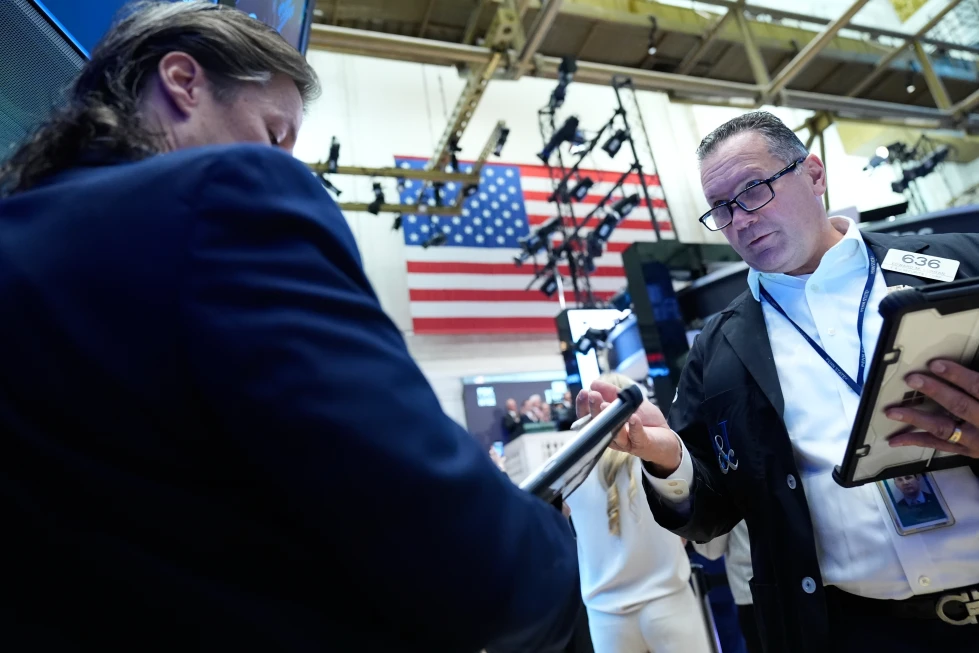
Wall Street heads into a crowded week of economic releases as investors try to gauge how the Federal Reserve's surprise return to tightening is playing out across the economy. The data arrives less than three weeks after the central bank lifted its benchmark rate by a quarter point to a range of 3.75% to 4%, its first increase since 2023. The move was approved by a unanimous 12-0 vote and followed months of inflation readings that policymakers considered too hot, with energy costs and tensions in the Middle East adding to the pressure. Fed Chair Kevin Warsh has said he is committed to bringing inflation back to the bank's 2% goal, and the latest projections from officials suggest the benchmark rate could finish the year between 4.1% and 4.4%, pointing to at least one more hike before December. The week opens Monday with the Institute for Supply Management's September reading on the services sector, which accounts for the largest share of U.S. economic output. A reading above 50 signals the sector is growing, and economists will look at whether higher borrowing costs and fuel prices are starting to slow hiring, new orders or pricing in restaurants, retailers, health care and other service businesses. On Wednesday, the Fed publishes the minutes of its September 15-16 meeting, a detailed record of the discussion behind the rate decision. Investors will comb the document for signs of how divided officials were before the vote, how much weight they gave to the labor market versus inflation, and how open they are to additional increases. Just two months earlier, three members had dissented in favor of raising rates at the July meeting, so any hint of lingering disagreement could move bond and stock prices. Thursday brings the weekly count of new applications for unemployment benefits, which has stayed historically low. Because jobless claims serve as a rough stand-in for layoffs, a sustained jump would be an early warning that the labor market is cooling faster than the Fed expects. The week closes Friday with the University of Michigan's preliminary consumer sentiment survey for October. September's results showed households uneasy about rising fuel prices and inflation that refuses to fade, and analysts want to see whether that anxiety deepened after the rate hike pushed up costs on loans and credit cards. Bond markets add to the backdrop: the 10-year Treasury yield, which heavily influences mortgage rates, climbed above 5% in mid-September for the first time since 2007. Taken together, the releases will help answer a basic question for investors: whether the economy is strong enough to absorb tighter policy without tipping into a slowdown, or whether the Fed will need to keep pushing rates higher to bring prices under control.